



Les meilleurs jeux sur CasinoZer : Classement des meilleurs machines à sous et croupiers en direct
October 6, 2026Casino Astromania: Estudo de Jogo Limpo em Portugal
October 6, 2026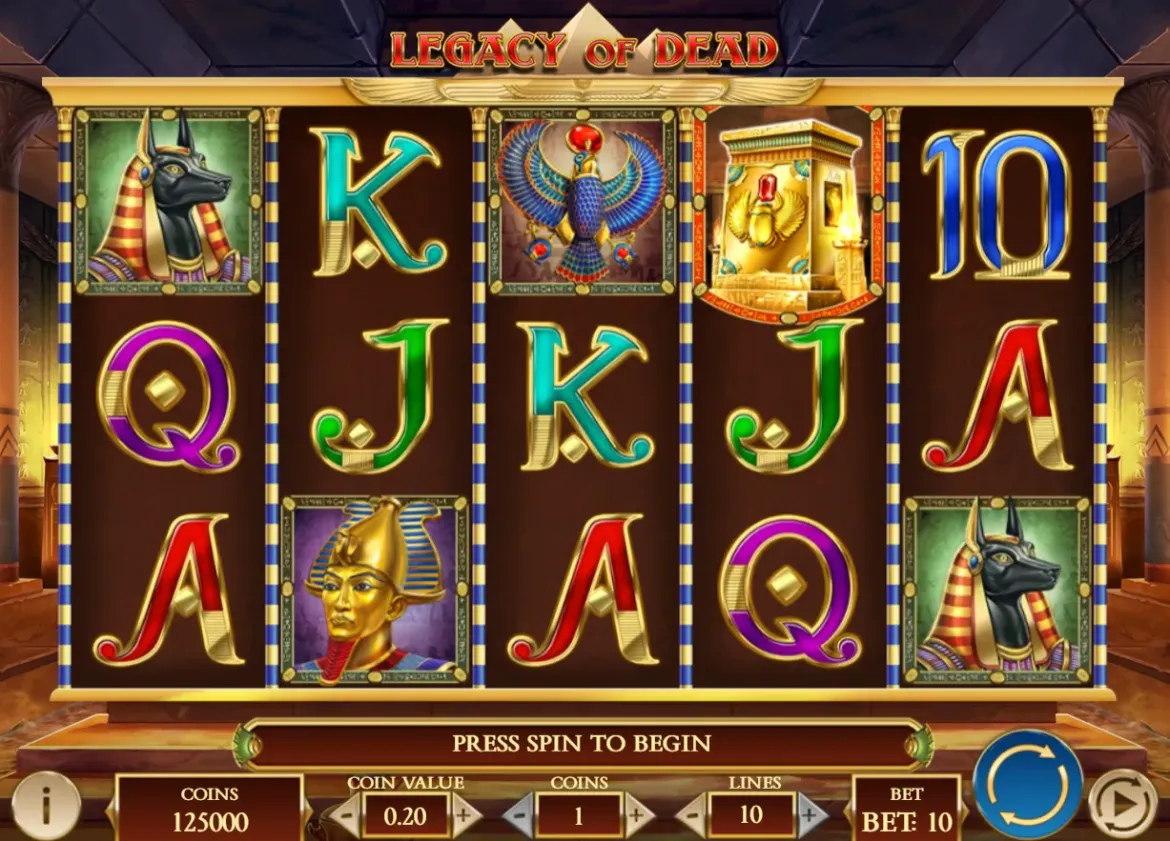
Players who remember the first, blocky online slots realize how many themes have disappeared https://legacy-of-dead.eu/. Egyptian adventures, though, have a special hold. The first time I loaded Legacy of Dead, I realized this was special. Play’n GO, a developer with a name for skill and creativity, developed this slot to move the goalposts. Its journey from an idea to a mainstay in UK casinos illustrates how a game can refine a popular style while adding something fresh. This article traces its full timeline. We will explore the pivotal choices, the tech behind it, and the updates that made it a lasting hit. You will discover how it progressed from its forerunner, heeded players, and adjusted with the UK market to become the icon it is now.
Cultural Footprint and Player Community in the UK
Legacy of Dead’s cultural influence in the UK online slot scene is genuine. It has become a standard, a game people frequently name alongside its predecessor when discussing the best high-volatility slots. On community forums, in strategy conversations, and on casino review sites, it keeps a high profile. I often see it recommended as a logical next try for players who enjoyed Book of Dead but want a different feel. Its visuals, especially the serious expressions of Anubis and Horus, has grown iconic on its own terms. The game has also produced a huge amount of community content. Streamers regularly feature it, and dedicated videos dissect its mechanics. This authentic, player-led promotion is the ultimate mark of a game’s impact. It surpassed being just another casino product and became a permanent fixture of the UK player’s vocabulary. That shows how flawlessly its original design and consistent quality aligned with what the market wanted.
The Current Status and Path Ahead
Right now, in 2024, Legacy of Dead enjoys status as a contemporary classic in UK online casinos. Its RTP holds firm at 96.21%, and major operators still give it premium positioning. While UK rules have blocked features like “Bonus Buy,” the game’s base version maintains a large fanbase. Its prospects seem solid. Play’n GO has a reputation of sustaining and boosting its hit titles for the long haul, often integrating them into new platform-wide features and campaigns. I expect it will stay a cornerstone of their collection. We might see visual updates later to keep it looking fresh, though its fundamental design feels ageless. It functions ideally as a first step for new players interested in high-volatility games, and as a trusted go-to for experts. As the online slot world moves toward more complex stories and features, the elegant, concentrated design of Legacy of Dead guarantees its position as a durable and admired title. For the UK audience and others, it has created a real legacy.
Forerunners and Foundational Foundation: The Tradition Begins
Comprehending Legacy of Dead means going back to its spiritual ancestor: Book of Dead. Play’n GO introduced Book of Dead in 2016, and it changed the “Book” system genre. It showcased the explorer Rich Wilde and perfected a recipe of high volatility, a uncomplicated but powerful free spins round with an expanding symbol, and visuals that were premium for the era. I saw it take over casino lobbies. By 2019, the market was full of copies. Play’n GO confronted a choice: create another simple sequel or utilize the core mechanics to construct a new, more immersive identity. Legacy of Dead arose from that urge to enhance and elevate. The team removed the famous Rich Wilde, selecting instead a more somber, more mysterious theme based in Egyptian gods and the afterlife. This was more than a simple reskin. It was a intentional shift in mood, aspiring for ancient grandeur over adventure serial. They preserved the fundamental “book” mechanic but rebuilt everything around it. The objective was a game that could stand next to its famous predecessor, not behind it.
Original Design and Core Mechanics
The original blueprint for Legacy of Dead honed in on straightforwardness and punch. The developers stripped the idea to essentials: a 5×3 grid, ten paylines, and a sacred book serving as both wild and scatter. The visual shift is striking. They selected a deeper, gloomier scheme of deep blues and golds, setting the reels inside a shadowy tomb chamber. This was a world away from the brighter, open skies of Book of Dead. The sound design deepened the feel, swapping adventurous tunes for haunting chants and echoes. They included the core gamble feature, a hallmark of Play’n GO’s high-volatility games, allowing players risk wins to double or quadruple them. The maths model received careful focus. It debuted with that signature high volatility and a 96.21% RTP, a clear signal to seasoned UK players that this game was serious for big wins. Every design decision felt purposeful, honing a proven template.
Core Thematic and Mechanical Differences from Book of Dead
Genetic similarities notwithstanding, several key differences emerged here. The most visible was the cast. Rich Wilde left, and Anubis, Osiris, and Horus came in as the high-value symbols. This changed the player’s role from sidekick to someone engaging directly with deities. The expanding symbol in the free spins round became even more important. Landing three god symbols could pack the screen with a single, high-paying image. I observed another subtle but effective tweak in the animations. The gods were depicted with finer detail and a sense of majesty. Their animations on a win seemed weightier, more significant. These were not just symbols; they were the pillars of the game’s story. This groundwork guaranteed Legacy of Dead was seen as a worthy and ambitious sibling, not a cheap knock-off, finding its own space within a familiar framework.
Launch Updates and Capability Expansions
After its launch, Legacy of Dead did not remain static. Play’n GO rolled out a series of tactical updates that expanded its reach. A key step was adding the game to Play’n GO’s “Tournament” feature, where players from different casinos battle on leaderboards for prizes. This injected a interactive, competitive layer into the lonely tomb exploration. The game was also included into the “Bonus Buy” feature for markets where regulations permit it. This stays restricted for UKGC-licensed operators under current rules. For other regions, it allowed players acquire direct entry to the free spins round, accommodating those who wanted immediate access to the game’s most unpredictable and exciting phase. The core gameplay remained the same, but these integrations demonstrated Play’n GO’s strategy of maintaining its existing titles active and visible in their wider ecosystem. It guaranteed Legacy of Dead kept showing up in promotions and new casino lobbies long after its debut.
Technological Framework and Tech Development
Beneath its thematic surface, Legacy of Dead depended on Play’n GO’s solid technical foundation. The game was built from scratch using HTML5. This provided flawless functionality on every device, a requirement for the UK market where mobile play is dominant. The optimisation caught my attention. Animations, especially the gods enlarging during free spins, kept flowing and vivid even on older smartphones, a indication of efficient code. The sound design utilized a stratified structure that reacted to the action, generating anticipation during spins and the gamble feature. It also plugged into Play’n GO’s back-end systems for features like comprehensive game logs and responsible gambling tools, which are essential for UK compliance. This technical strength meant the game was not only appealing but also trustworthy, fast, and secure. It also set up the slot for the future, enabling seamless upgrades and integration into new platform features like tournaments, which would come subsequently.
Artwork, Sound, and Immersive Elements
Legacy of Dead’s dedication to immersion is where Play’n GO’s artistry clicked. The graphics were not merely crisp; they constructed a unified setting. Every symbol appeared as a engraved treasure. The tomb backdrop, with its subtle glow of torchlight, produced a feeling of depth. The sound design is a exemplary slot audio in my view. It avoids annoying, repetitive loops. You get a moody background music, underpinned by the sharp sound of the reels, the heavy beat of a winning combination, and a dramatic swell when the free spins round starts. In the gamble feature, the music drops to a intense, heartbeat rhythm, concentrating the player on the risk at hand. These sound and visual elements were not just ornamentation. They were integral to the experience, combining to uphold a mood of anticipation and old-world enigma that held UK players engaged.
Influence and Effect on Subsequent Slots
The impact of Legacy of Dead is clear in the slots that followed. It demonstrated that a sequel or spiritual successor could succeed by respecting core mechanics while fully reworking the aesthetic and story. You can observe this influence in Play’n GO’s own later releases, like “Scroll of Dead,” which continued investigating the ancient manuscript idea. More generally, it highlighted the entire industry how much audiovisual polish and thematic consistency are important in a crowded field. For UK players, it increased the bar for production values. A slot could not just function properly; it had to draw you in. Its success also solidified the “Book” mechanic as a permanent favourite, urging other developers to try new things within that structure. Considering today’s market, I can spot its DNA in numerous high-volatility, theme-heavy slots. Legacy of Dead marks a turning point in Play’n GO’s library. It refined a winning formula to a fine edge and showed that even in a packed genre like Egyptian adventure, there was still room for fresh ideas and a strong identity.
Launch and UK Market Reception
Legacy of Dead officially hit the market in October 2019. Its arrival in the UK drew genuine curiosity from players and casino operators. I recall the chatter in forums. Everyone questioned if it could avoid being just another clone. The response, from what I saw, was largely positive. UK players, who appreciate both production quality and genuine win potential, took to it quickly. The familiar mechanics felt comfortable, while the fresh, mysterious atmosphere provided a unique feel. It found a perfect middle ground. Importantly, it launched on a wide array of reputable UK-licensed casinos, thanks to Play’n GO’s strong industry ties. The game’s performance metrics were solid, showing high engagement and good feedback on its immersive quality. It did not dethrone Book of Dead, and it was never meant to. Instead, it carved out its own space, providing players an alternative with the same thrill but a darker, more solemn narrative. This successful market fit was the first big proof that Play’n GO’s development plan worked.
